

Stories Don't Write Themselves — But You Can Learn How
Most people think journalism is about reporting facts. It's actually about finding the truth hidden between lines, asking questions others won't, and turning observations into narratives that matter.
Explore Our Program StructureWhy Journalism Still Matters in 2026
Social media gives everyone a voice, but journalism gives stories context. When you scroll through dozens of hot takes about an event, someone needs to verify what actually happened.
We're not training people to replace traditional news outlets — though some will. This program focuses on building the foundational skills that work across platforms: interviewing techniques that get genuine answers, research methods that separate fact from assumption, and writing that keeps readers engaged beyond the first paragraph.
The landscape has changed. Print circulation drops every year. But investigative work, local reporting, and specialized journalism? Those skills are more valuable than they've been in decades. Outlets might be smaller, but the need for trained professionals hasn't disappeared.

How We Actually Teach This
Theory matters, but only when you apply it. Each module combines instruction with immediate practice — you'll produce work throughout, not just at the end.
Source Development
Building relationships with sources takes time and strategy. We cover initial contact protocols, maintaining professional boundaries while developing trust, and handling sensitive information ethically. You'll learn when to push for details and when patience serves the story better.
Story Architecture
Great articles don't ramble. We break down narrative structures that work for different story types — from breaking news that prioritizes crucial information upfront to feature pieces that build tension. You'll study published examples and dissect what makes them effective or where they fall apart.
Research Fundamentals
Public records, database searches, background checks — this goes beyond basic Google searches. We teach systematic approaches to information gathering, cross-referencing techniques, and recognizing when you've found something that needs deeper investigation versus noise that wastes time.
Program Timeline — Nine Months of Focused Development
February 2026 — Foundations and First Stories
Start with core principles: what makes something newsworthy, how to structure interviews, basic AP style conventions. You'll write short news pieces covering local events and receive detailed feedback on clarity, accuracy, and structure.
April 2026 — Investigative Techniques
Develop longer-form investigative pieces. Learn document analysis, FOIA request procedures, and source protection methods. This phase challenges you to dig deeper than surface-level reporting.
June 2026 — Multimedia Integration
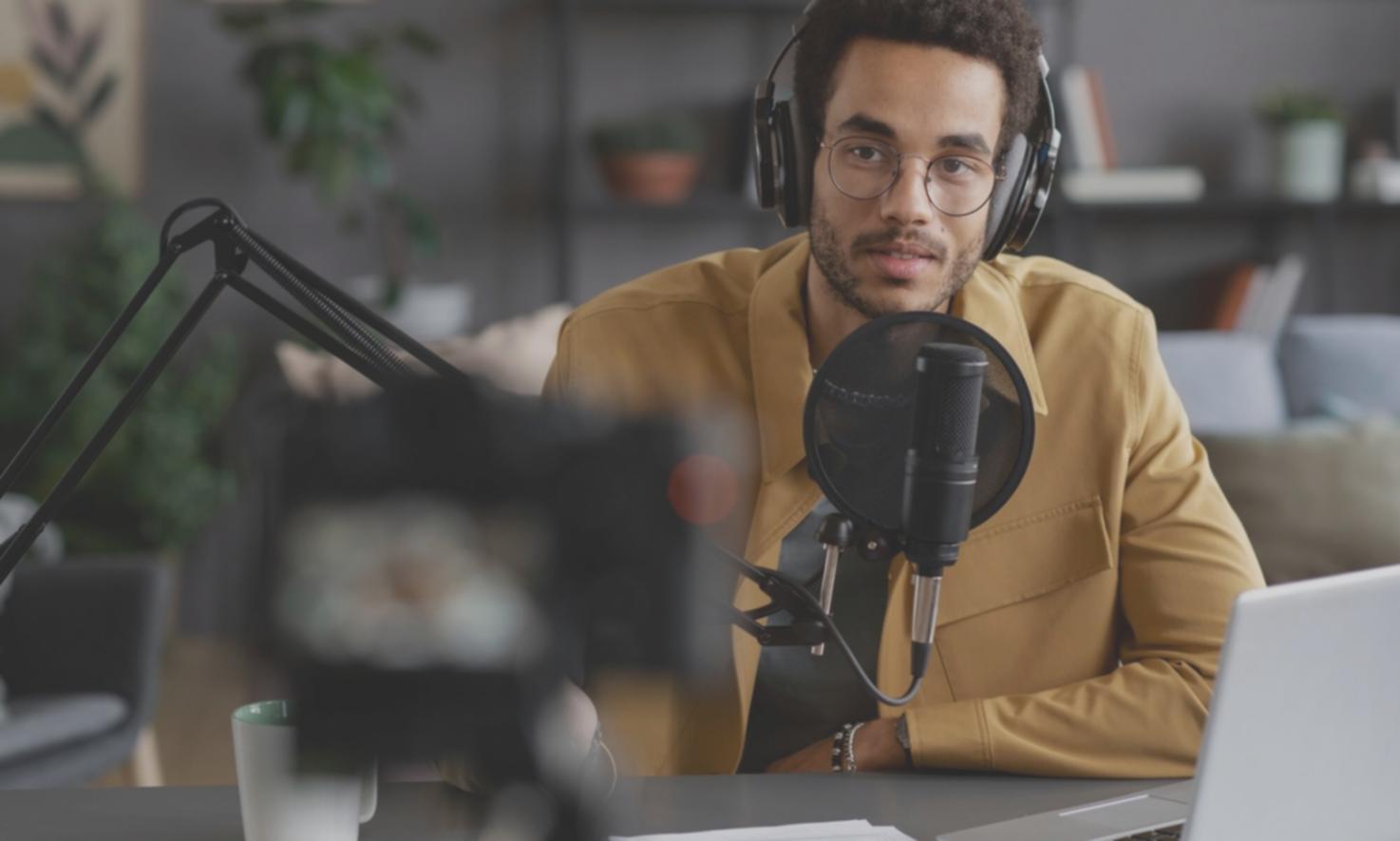
Modern journalism extends beyond text. Add photo selection skills, basic audio editing for podcast segments, and video interview techniques. Not everyone becomes a videographer, but understanding visual storytelling improves all your work.
September 2026 — Ethics and Real-World Scenarios
Navigate complex situations: when sources want anonymity, handling conflicts of interest, correcting errors transparently. We use case studies from recent journalism controversies and role-play difficult conversations.
October 2026 — Portfolio Development
Compile your best work, refine pieces with input from working journalists, and prepare materials that demonstrate your capabilities to potential employers or freelance clients. Graduate with clips that show progression and versatility.

Practice Beats Perfection
Students often worry about making mistakes in early assignments. Good — that means you're pushing boundaries. The difference between amateur and professional journalism isn't avoiding errors entirely. It's catching them before publication and knowing how to handle corrections when needed.
Every assignment includes peer review sessions where you'll critique each other's work using the same standards editors apply in newsrooms. Sometimes the feedback stings. But learning to accept constructive criticism and revise accordingly matters more than producing flawless first drafts.
We emphasize iteration. Your third version of an article will outperform your first attempt, and that improvement process becomes instinctive with practice.
Skill-Building Workshops Throughout
Beyond core modules, monthly workshops focus on specific challenges journalists encounter. These sessions address practical problems with concrete solutions.
Interview Mastery Sessions
- Preparing questions that go beyond obvious answers
- Reading body language and knowing when to follow unexpected threads
- Recording methods that work in different environments
- Handling hostile or evasive subjects professionally
Digital Security Fundamentals
- Protecting source identities through encrypted communication
- Secure file storage and transfer methods
- Recognizing phishing attempts targeting journalists
- Creating digital trails that support your work without compromising safety
Building Your Beat
- Choosing coverage areas where you can develop expertise
- Cultivating source networks within specific industries
- Monitoring developments through targeted information feeds
- Positioning yourself as the go-to reporter for particular topics
Freelance Business Practices
- Pitching stories that editors actually want to buy
- Rate negotiation strategies that respect your work
- Managing multiple assignments without missing deadlines
- Building client relationships that lead to repeat commissions
Where This Training Leads
Graduates work across different contexts. Some join established outlets covering specific beats. Others build freelance practices specializing in particular subjects. A few create independent publications covering underserved communities.
Corporate Communications
Several alumni moved into communications roles at companies that value journalistic training. They apply interviewing skills internally, craft accurate external messaging, and understand media relations from both sides. The rigor transfers well.
Specialized Reporting
Technical fields like healthcare, technology, and environmental issues need reporters who can translate complex subjects accurately. If you already have background knowledge in these areas, adding journalism skills makes you valuable to publications struggling to cover these topics competently.
Applications Open for February 2026
The next cohort begins in three months. If you're considering this, look through the full curriculum details and requirements. We're selective about admissions because small class sizes allow for thorough feedback on your work.
Schedule an Informational Discussion